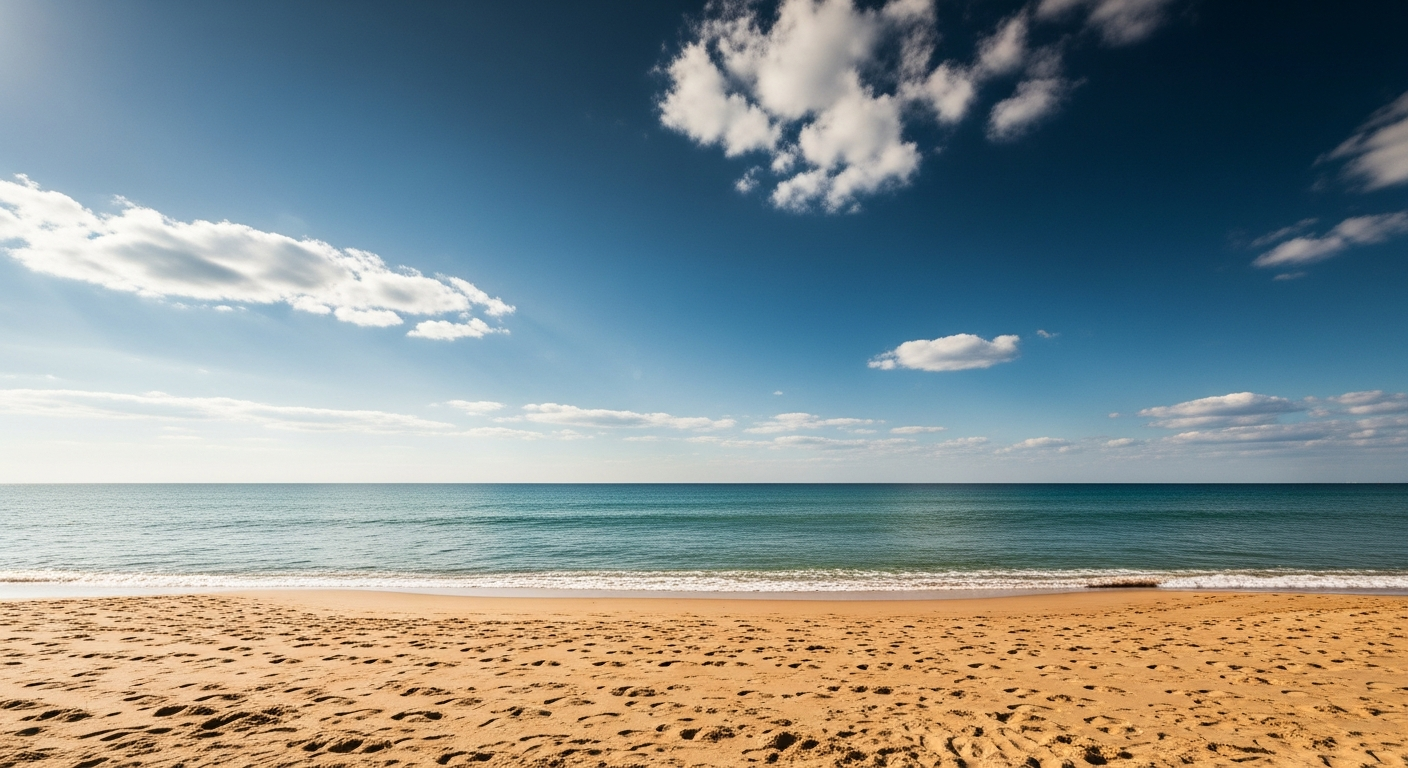
A month-by-month guide to Sunny Beach weather, sea temperatures, crowds and prices — so you can pick the perfect time to visit Bulgaria's biggest Black Sea resort.
✦ Quick Facts
Choosing when to visit Sunny Beach matters more than almost any other planning decision you'll make. Bulgaria's largest Black Sea resort transforms completely across the year — from a sun-baked, neon-lit party capital in August to a near-silent stretch of empty sand in January. Get the timing right and you'll land warm seas, lively beach bars and the exact balance of crowds and value you're after. Get it wrong and you might arrive to shuttered clubs and a chilly sea.
This guide breaks down Sunny Beach weather month by month, including realistic air and sea temperatures, when the season starts and ends, what the shoulder months feel like, and who each part of the year suits best. Whether you're a family chasing reliable sunshine, a couple after a quiet shoulder-season escape, or a group planning a summer blowout, you'll find a clear answer to the question travellers ask most: what is the weather in Sunny Beach Bulgaria, and when should I go?
The Sunny Beach climate in a nutshell
Sunny Beach (Slanchev Bryag in Bulgarian) sits on the central Black Sea coast and enjoys a temperate, transitional climate with strong maritime influence. In plain terms, that means warm, dry, reliably sunny summers and mild, wetter winters — milder than inland Bulgaria thanks to the moderating effect of the sea.
The resort racks up roughly 2,300 hours of sunshine a year, with the lion's share falling between May and September. Summer rainfall is low and usually arrives as short afternoon thunderstorms rather than all-day washouts. The Black Sea itself is the key character in the story: it heats up slowly through spring, peaks in late summer, and stays swimmable well into September, lagging the air temperature by a few weeks in both directions.
A few headline numbers worth keeping in mind:
- Hottest months: July and August, with daytime highs of 27–30°C and warm, humid evenings.
- Warmest sea: August, at around 24–26°C — bath-like and ideal for long swims.
- Driest stretch: June through August.
- Coldest, wettest period: December to February, when the resort all but hibernates.
For deeper background on the resort and its setting, the Sunny Beach entry on Wikipedia is a useful primer, and any reputable climate reference such as Weather Atlas will confirm the seasonal pattern outlined here. Bulgaria's official tourism portal is another good source for general destination planning, while the Black Sea overview on Wikipedia explains why the water warms and cools the way it does along this coast.
Month-by-month weather and the best time to visit
The table below summarises the typical pattern across the year. Treat the figures as approximate averages — any given week can run warmer or cooler — but the overall rhythm is dependable enough to plan around.
| Month | Avg high °C | Sea temp °C | Crowds | Verdict |
|---|---|---|---|---|
| January | 6 | 8 | Empty | Closed-down, winter quiet |
| February | 7 | 7 | Empty | Cold, most things shut |
| March | 11 | 8 | Very low | Early spring, off-season |
| April | 16 | 10 | Low | Mild, resort waking up |
| May | 21 | 16 | Building | Lovely shoulder season |
| June | 26 | 21 | Busy | Warm, great value early on |
| July | 29 | 24 | Peak | Hot, lively, packed |
| August | 30 | 26 | Peak | Hottest, busiest, priciest |
| September | 26 | 23 | Easing | Best all-round month |
| October | 19 | 19 | Low | Season winding down |
| November | 13 | 15 | Empty | Cold, mostly closed |
| December | 8 | 11 | Empty | Off-season, festive lull |
Spring (March–May)
Spring is a season of transformation. March and April are still genuinely off-season: hotels are reopening, the sea is far too cold for swimming, and you'll share the beach with little more than the odd dog walker. Days are mild and changeable, with green hills behind the resort and bargain prices for the few places that are open.
May is where things get exciting. Daytime highs climb into the low twenties, the sun is reliably out, and the resort properly springs to life. The sea is still bracing at around 16°C, so swimming is for the hardy, but the combination of warm sunshine, low prices and uncrowded promenades makes May one of the most underrated times to visit. It's ideal for a relaxed break built around walking, exploring things to do in Sunny Beach and day trips, with the option to top up your tan on the quiet sand.
Summer (June–August)
This is the Sunny Beach most people picture. June opens with warm, dry weather, highs around 26°C and a sea that's finally comfortable for swimming. Crucially, early June still offers better value and thinner crowds than the peak, making it a sweet spot for families who want heat without the August crush.
July and August are the undisputed peak. Expect highs of 27–30°C, long sunny days, balmy nights and a sea that reaches a glorious 24–26°C. Rain is rare and short-lived. This is when the nightlife hits full throttle, the beach is at its most crowded, and accommodation prices reach their annual high. If you're chasing guaranteed heat and a buzzing atmosphere — and don't mind sharing it with thousands of others — this is your window. Book accommodation and airport transfers well in advance, because the resort runs close to capacity.
Autumn (September–October)
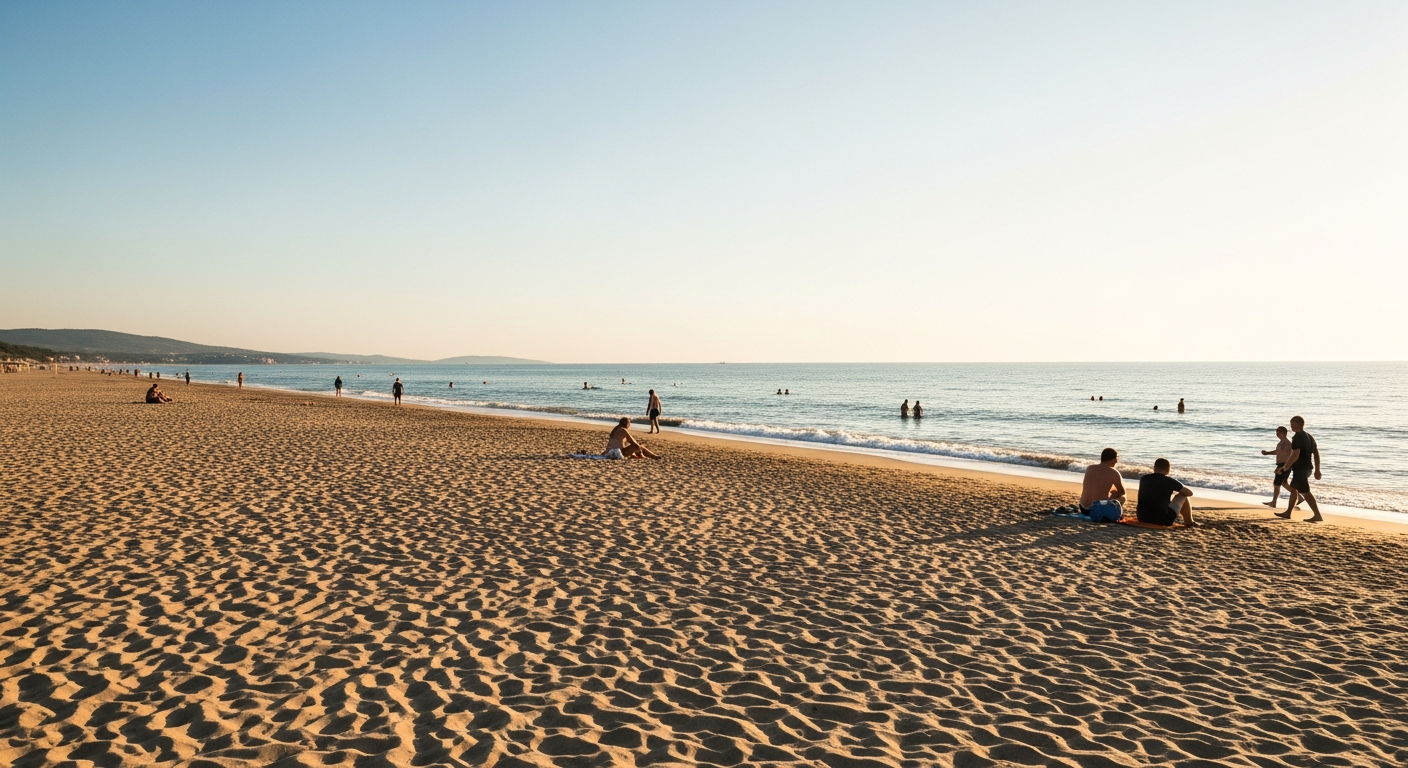
For many seasoned visitors, September is the single best month to visit Sunny Beach. The fierce peak-summer heat softens to a comfortable 26°C, the crowds thin as families return home for school, prices ease, and — best of all — the sea is at its warmest-feeling, having banked all of summer's heat. You get reliable sunshine, swimmable water around 23°C, and a calmer, more pleasant resort. It's the connoisseur's choice.
October marks the visible wind-down. The first half can still deliver pleasant, mild days around 19°C and gentle swimming weather, but the resort grows quieter by the week as hotels and beach bars begin to close. By late October, the lively atmosphere has largely evaporated. It's a fine time for a peaceful, budget-friendly coastal break, but not for nightlife or guaranteed beach heat.
Winter (November–February)
From November to February, Sunny Beach effectively hibernates. Daytime temperatures range from the low teens down to single digits, the sea is cold, rain and grey skies are common, and the overwhelming majority of tourist businesses are shut. The strip falls silent. A small number of year-round hotels, supermarkets and restaurants serve the resident population, and nearby Nessebar's old town remains atmospheric in the off-season, but this is not a beach holiday window. Winter suits only travellers seeking deep quiet, rock-bottom prices and long, empty beach walks.
Sea temperature: when can you actually swim?
Air temperature tells only half the story on a beach holiday — the sea temperature decides whether you'll spend your days in the water or just looking at it. Because the Black Sea is large and relatively deep here, it warms and cools more slowly than the air.
- May: ~16°C — refreshing at best; wetsuit territory for long swims.
- June: ~21°C — comfortable for most swimmers.
- July: ~24°C — warm and inviting.
- August: ~26°C — the warmest of the year, genuinely bath-like.
- September: ~23°C — still lovely, often the best ratio of warm sea to thin crowds.
- October: ~19°C — swimmable early in the month, chilly by the end.
If your priority is warm-water swimming and water sports, target mid-July through mid-September. If you simply want to dip in occasionally between beach lounging and exploring the area's attractions, June and early October will serve you well.
Rain, wind and Black Sea quirks
Sunny Beach's weather is generally kind in season, but a few local quirks are worth understanding so nothing catches you off guard.
Rainfall is concentrated in the colder months. The deep summer — June through August — is genuinely dry, and when rain does come it usually arrives as a brief, dramatic afternoon thunderstorm that clears within an hour, often leaving the rest of the day bright. Spring and autumn bring more frequent but typically short-lived showers, while late autumn and winter deliver the heaviest, most persistent rain. In practical terms, you'll rarely lose a full beach day to weather between June and early September.
Wind and the sea breeze are part of daily life on the coast. Mornings tend to be calm; by early afternoon a refreshing onshore breeze usually picks up, which is exactly what makes the beach bearable on 30°C days. Occasionally a stronger northerly or easterly wind whips up larger waves and a stronger undertow — on those days lifeguards may fly warning flags, so always check the flag system before swimming and keep an eye on children in the water.
Humidity climbs in midsummer, making July and August evenings feel warm and sticky rather than cool. If you're sensitive to heat, a hotel with air conditioning is well worth prioritising, and you may find the milder shoulder months far more comfortable for sleeping and sightseeing.
UV and sun strength should not be underestimated. Even on hazy days the summer sun is powerful, and the cooling sea breeze masks how quickly you can burn. Bring high-factor sunscreen, reapply after swimming, and use the shade of the midday hours for lunch or a siesta rather than sunbathing.
What to pack for each season
Packing smart for the season you've chosen makes a tangible difference to your trip:
- Peak summer (Jul–Aug): Lightweight, breathable clothing, plenty of swimwear, a wide-brimmed hat, sunglasses, high-factor sunscreen and sandals. Add one light layer for breezy evenings on the strip.
- Early summer and early autumn (Jun, Sep): Everything above, plus a light cardigan or jacket for cooler nights and a thin rain layer for the occasional shower.
- Shoulder seasons (May, Oct): Mix of warm-weather and transitional clothing, a proper waterproof jacket, closed shoes for cooler evenings, and swimwear for the brave.
- Off-season (Nov–Apr): Warm layers, a windproof and waterproof coat, sturdy shoes and an umbrella — think city break, not beach holiday.
A reusable water bottle is useful year-round; staying hydrated in the summer heat matters, especially if you're combining beach time with the resort's energetic nightlife.
When does the season start and end?
This is the question that catches first-timers out, so let's be precise. The Sunny Beach season broadly runs from May to early October, anchored by international charter flights into Burgas Airport.
- Season ramps up: Late April into May, as hotels reopen and staff return.
- Peak season: Mid-June to late August.
- Wind-down: Through September, accelerating in early October.
- Effectively over: Mid-October, once charter flights taper off and the clubs close.
So when people ask when does Sunny Beach close, the honest answer is that the resort experience — big hotels, beach bars, water sports and the famous nightlife — shuts down between late September and mid-October. The town itself never closes, but from November the tourist machinery is switched off until spring. If catching the tail end of the season matters to you, aim for the first two weeks of September rather than gambling on October.
Crowds, prices and the shoulder-season sweet spot
Weather is only one variable. Crowd levels and prices track the season closely, and balancing all three is the secret to a great trip.
- Cheapest and quietest (but coolest): May and late September into October.
- Best all-round balance: Early-to-mid June and the first three weeks of September — warm enough to swim, lively enough to enjoy, far gentler on the wallet than peak.
- Hottest and most expensive: Mid-July to mid-August, when demand peaks and accommodation rates climb sharply.
If you're flexible, the shoulder seasons reward you handsomely: better hotel deals, calmer beaches, restaurants where you don't need to queue, and weather that's still very pleasant. Pair a shoulder-season visit with our Sunny Beach travel tips to stretch your budget further, and check the events calendar — some of the best festivals and beach parties cluster around the start and end of the high season.
How to plan around the weather
A little preparation goes a long way on a coast where the season swings so dramatically. A few practical pointers:
- Match your dates to your priorities. Nightlife and guaranteed heat mean July–August; warm-sea-plus-calm means September; budget and quiet mean May or October.
- Pack for the shoulder months. In May, September and October, bring a light jacket and a compact rain layer for the occasional shower or cooler evening.
- Book peak-season stays early. Quality hotels and well-located apartments sell out for July and August months ahead.
- Have a wet-weather plan. Even in summer the odd thunderstorm rolls through — our guide to rainy-day activities in Sunny Beach keeps a soggy afternoon from spoiling the trip.
- Don't waste good days indoors. When the sun's out, get to the beach early; on the rare grey day, save the museums, spas and shopping.
If you're still deciding how to fill your days, our companion guide to things to do in Sunny Beach pairs naturally with this weather planner and helps you build an itinerary that flexes with the forecast.
Quick reference: what to expect by season
| Season | Best for | Watch out for |
|---|---|---|
| Spring (Apr–May) | Low prices, calm, mild walking weather | Cold sea, some places still closed |
| Early summer (Jun) | Warm sea, fewer crowds, fair prices | Filling up fast by late June |
| Peak (Jul–Aug) | Hot weather, full nightlife, warm sea | Crowds, highest prices |
| Early autumn (Sep) | Warm sea, thinning crowds, value | Season winding down late in month |
| Late autumn–winter | Deep quiet, lowest prices | Cold, wet, most businesses closed |
Final thoughts
The best time to visit Sunny Beach ultimately depends on what you want from the trip — but for most travellers, the standout choice is September, when the sea is still warm, the sun still shines, the crowds have eased and prices have dropped. June is its close rival for the same reasons at the start of the season, while July and August remain the obvious pick for non-stop sunshine and full-throttle nightlife. Visit in the shoulder months of May or October for peace and value, and treat November through February as a genuine off-season when the resort sleeps.
Whatever dates you settle on, understanding the rhythm of Sunny Beach weather lets you arrive with the right expectations, the right clothes and a plan that makes the most of every day on the Black Sea coast.
Frequently Asked Questions
When does the Sunny Beach season end?
The core season runs from May to early October, with the busiest stretch from mid-June to late August. Most large hotels, the open-air clubs and the bulk of beach services begin winding down through the second half of September, and by mid-October the resort is noticeably quieter. A handful of year-round hotels and restaurants stay open, but the lively resort atmosphere is effectively over once October arrives.
When does Sunny Beach close?
Sunny Beach is a town, so it never fully closes, but it does go into hibernation. The big package hotels, beach bars and nightclubs typically shut between late September and mid-October once the charter flights stop. From November to April you will find a skeleton crew of open hotels, supermarkets and a few restaurants serving local residents, but most tourist-facing businesses are closed until the following spring.
Is it worth going to Sunny Beach in November?
November is the wrong choice if you want beach weather and nightlife — the sea is too cold for swimming, most clubs are closed and many hotels have shut for winter. It can still be worthwhile for a very quiet, budget city-and-coast break focused on Nessebar's old town, long empty beach walks and cosy restaurants. Just travel with realistic expectations and pack layers and a waterproof jacket.
What is the temperature in Sunny Beach today?
Daytime temperatures swing widely by season: roughly 5–10°C on a winter day, 15–22°C in spring and autumn, and 27–30°C at the height of summer. For a live reading check a reliable forecast service before you travel, but as a rule of thumb July and August deliver hot, dry days while the shoulder months are mild and changeable.
What is the weather in Sunny Beach like in summer?
Summer weather in Sunny Beach is classic Mediterranean-style coast: hot, sunny and dry. Expect daytime highs around 27–30°C, warm evenings that rarely drop below the high teens, very little rain and a sea that warms to around 24–26°C. Sea breezes keep the beach comfortable even on the hottest afternoons, which is one reason the resort is so popular with families.
Does it rain much in Sunny Beach?
Not during the main season. June, July and August are the driest months with only occasional short thunderstorms, while spring and autumn see more frequent but usually brief showers. The wettest period is late autumn and winter. If you visit in May or September, pack a light rain layer just in case, but you are unlikely to lose much beach time.
Ready to plan your Sunny Beach trip?
Browse hand-picked hotels, restaurants and experiences across the Bulgarian Black Sea coast.